CardapsInsightsWhat to Do After a Car Accident in Canada — Step-by-Step Guide
Insurance & LegalMarch 27, 20269 min read

What to Do After a Car Accident in Canada — Step-by-Step Guide

Cardaps Research Team
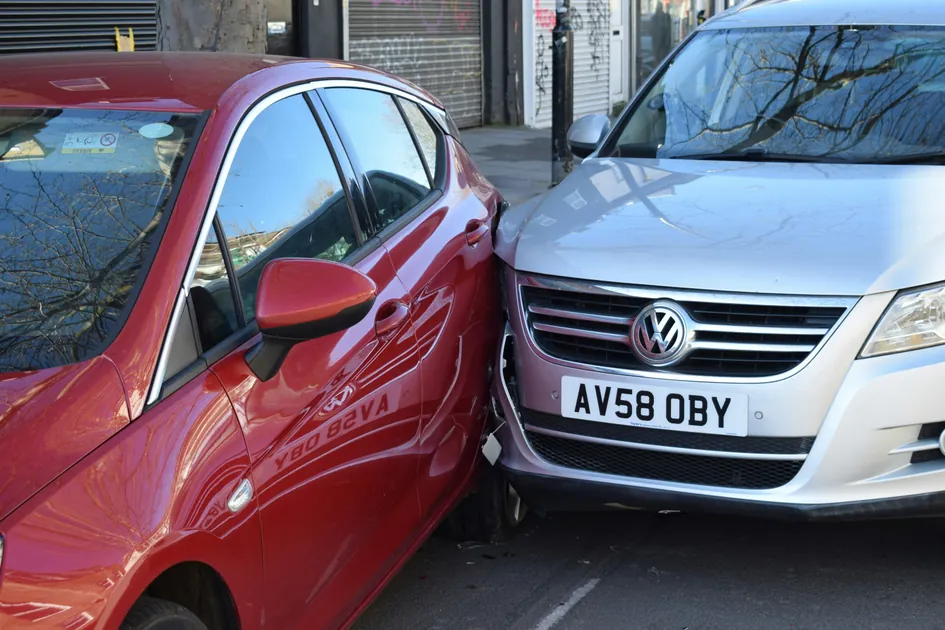
Step-by-step guide after a car accident in Canada — insurance claims, police reports, and rights by province
The first 15 minutes are critical for your insurance claim

Quick Answer

After a car accident in Canada: (1) check for injuries/call 911, (2) move vehicles if safe, (3) exchange info (name, license, insurance, plates), (4) photograph everything, (5) file police report if required (Ontario: if damage >$2,000), (6) contact insurer within 24 hours. In Quebec, bodily injuries go through SAAQ (no-fault); property damage through your private insurer.

First 5 Minutes — Safety & Emergency

Step 1: Check for injuries — yourself, passengers, other vehicle. Call 911 if anyone is hurt. Don't move injured people unless immediate danger (fire, traffic). Step 2: Turn on hazard lights. Move vehicles to shoulder if safe and drivable. If not moveable, stay inside with seatbelt on. Step 3: Call 911 if required — all provinces require police if injuries, suspected impairment, or vehicles can't move. Ontario: report to Collision Reporting Centre within 24h if damage >$2,000. Quebec: police required for injuries. Step 4: Do NOT admit fault. Don't say "I'm sorry" or "my fault." Fault is determined by insurance adjusters using provincial rules, not by drivers at the scene.
Car accident checklist Canada — 10 steps from safety to filing insurance claim
Save this checklist to your phone

Document Everything — Next 10 Minutes

Step 5: Exchange info — full name, phone, driver's license number, plate number, insurance company + policy number, vehicle make/model/color. Get witness contact info. Step 6: Photograph everything — all damage (close-up + wide), plates, overall scene, street signs, weather conditions, visible injuries. Take 20+ photos. Step 7: Write down what happened in your phone notes while memory is fresh. Step 8: Check for dashcam footage — yours and witnesses. Most valuable evidence for disputed fault.

Try It Free:

Check Vehicle Accident History — CARDAPS

Filing Your Insurance Claim — Within 24 Hours

Step 9: Contact your insurer within 24 hours. Call the claims line directly (not your broker). Have policy number, other driver's info, photos, and written account ready. Quebec dual path: Bodily injuries → file with SAAQ (saaq.gouv.qc.ca or 1-800-361-7620). Vehicle damage → file with private insurer. Ontario: Visit Collision Reporting Centre within 24h if damage >$2,000. Step 10: Get repair estimate. Don't begin repairs until insurer authorizes. At-fault claims increase premiums 15–40% for 3–6 years. This is why photos and documentation matter — they can determine fault assignment.

Also in this series:

Frequently Asked Questions

Yes if injuries, suspected impairment, or vehicles can't move. Ontario: report within 24h if damage >$2,000. Quebec: police required for injuries only.

Dual system: SAAQ covers ALL bodily injuries (no-fault public program). Your private insurer covers vehicle damage and property liability. File separately.

At-fault claims increase premiums 15–40% for 3–6 years. Not-at-fault generally doesn't affect premiums. Some insurers offer first-accident forgiveness.

Free Weekly Newsletter

The CARDAPS Market Digest

Canadian used car prices, recall alerts, and market intelligence — delivered weekly. No spam, unsubscribe anytime.

  • Weekly price trends by province and model
  • New recall alerts before they make the news
  • Dealer intelligence: what's hot, what's not

🔒 No spam. Your data is never sold. CASL & Law 25 compliant.

Explore Cardaps Tools - All Free

Related Articles

Continue exploring this topic