CardapsInsightsBuy a Used Car in Canada — City-by-City Guide (2026)
City GuidesMarch 31, 202612 min read

Buy a Used Car in Canada — City-by-City Guide (2026)

Cardaps Research Team
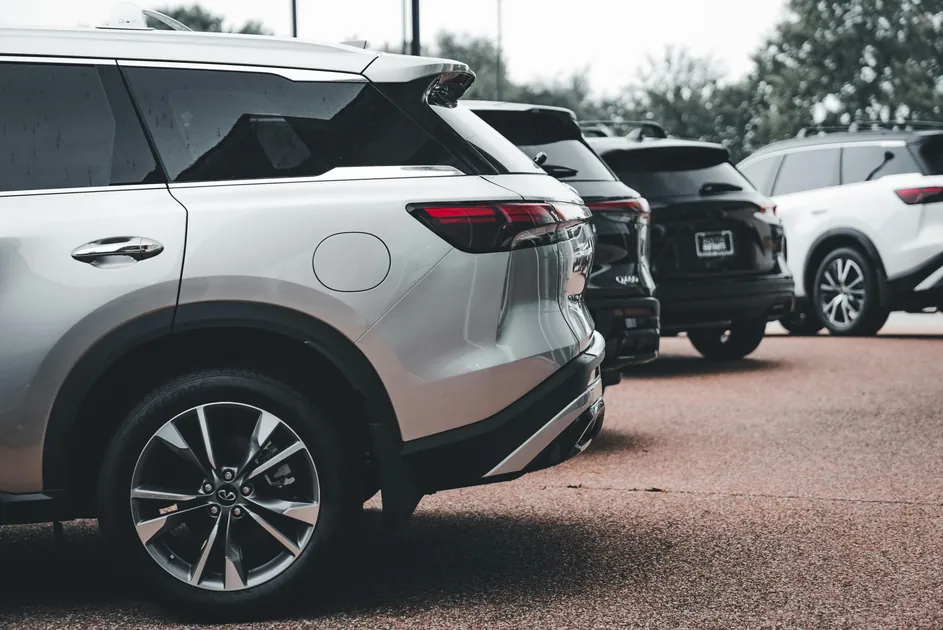
Buy a used car in Canada city guide — comparing prices and markets across Montreal, Toronto, Vancouver, Ottawa, Calgary, Edmonton, and Quebec City
Used car prices in Canada vary up to 18% between cities — choosing the right market saves thousands

Quick Answer

The best city to buy a used car in Canada depends on what you are looking for. Quebec cities (Montreal, Quebec City) offer the lowest average prices (6% below national) but vehicles may have more salt damage. Alberta cities (Calgary, Edmonton) have no provincial sales tax, saving 7-10% on the transaction. Vancouver has the highest prices but vehicles are best preserved due to mild coastal climate. Toronto has the largest selection with 35,000+ active listings. Use the CARDAPS city guides for market-specific tips.

Canada's Used Car Market — A Tale of Seven Cities

Canada's used car market is not one market — it's a patchwork of regional markets shaped by provincial taxation, climate, industry, and cultural buying habits. A 2020 Toyota RAV4 AWD with 60,000 km can vary by $4,000-$6,000 depending on which city you buy it in. The seven cities covered in our guides represent over 60% of Canada's used vehicle transactions. Each has distinct characteristics that create opportunities for informed buyers. Montréal and Québec City offer the lowest average prices in the country — 6% below national average. Alberta's Calgary and Edmonton offer tax savings (no PST). Toronto provides the widest selection. Vancouver commands premium prices but delivers the best-preserved vehicles. Ottawa sits in the middle as a government-employee market with well-maintained vehicles. The CARDAPS approach: We analyze 150,000+ active Canadian dealer listings daily across all seven cities. Our city guides provide real-time market intelligence — not generic advice — based on actual asking prices, inventory levels, and regional trends that change weekly.

City-by-City Price Comparison

Based on CARDAPS data from March 2026, here is how average used car prices compare across Canada's seven major markets (using a 2020 mid-range SUV as baseline): Montréal: $26,800 average (6% below national). Highest dealer density per capita means intense competition. SAAQ inspection required for private sales ($100-$150). Mandatory winter tire law adds value to vehicles sold with winter tire sets. French-language documentation required under Bill 96 — some dealerships add $200-$500 for translation and compliance. Strong negotiation culture — expect 15-18% spread between asking and final price. Toronto: $28,200 average (near national). Canada's largest market with 35,000+ active listings. HST of 13% applies. Safety Standards Certificate required. The GTA sprawl means suburban dealers often have better prices than downtown. Best selection but also highest buyer competition. Vancouver: $30,900 average (8-12% above national). Limited inventory drives prices up. No-salt coastal roads mean vehicles are better preserved — less rust, better undercarriage. 12% PST on private sales encourages dealer purchases. Strong EV market — Vancouver has the highest EV adoption rate in Canada. Ottawa: $27,800 average (2% below national). Government employee market means well-maintained vehicles with regular service records. Bilingual city — easy to find French or English documentation. Smaller market with less selection but less competition. Calgary: $27,500 average (3% below national). No provincial sales tax — only 5% GST saves buyers 7-10% on the transaction versus Ontario or BC. Strong truck market due to oil industry. AMVIC (Alberta Motor Vehicle Industry Council) provides strong consumer protection. Edmonton: $26,900 average (5% below national). Similar to Calgary but slightly cheaper due to smaller market. Oil industry fleet vehicle turnover creates good deals on well-maintained trucks. Same no-PST advantage as Calgary. Québec City: $25,800 average (9% below national). Smallest market of the seven but lowest prices. SAAQ inspection required. Strong French-language market — AutoHebdo.net is as important as AutoTrader.ca here.

Try It Free:

Browse Canadian Vehicle Listings — CARDAPS

Provincial Buying Requirements — What You Need to Know

Each province has different requirements for purchasing and registering a used vehicle. Here are the key differences that affect your buying decision: Quebec: SAAQ mechanical inspection mandatory for private sales ($100-$150). 9.975% QST + 5% GST on all purchases. RDPRM lien check recommended ($15). Bill 96 requires French-language documentation. Winter tires mandatory December 1 to March 15. Ontario: Safety Standards Certificate required for resale ($100-$300 depending on condition). 13% HST on all purchases. PPSA lien check available ($8-$16). Used Vehicle Information Package (UVIP) mandatory for private sales ($20). British Columbia: 12% PST + 5% GST on private sales. PST-exempt on dealer purchases of some vehicles. ICBC inspection may be required. No mandatory mechanical inspection for resale. Alberta: Only 5% GST — no provincial sales tax. AMVIC regulates all dealer transactions. Out-of-province inspection required if importing from another province. No mandatory mechanical inspection for resale. Cross-provincial purchases: Buying from another province is legal but adds complexity. You must pay your home province's taxes (not the selling province's). An out-of-province inspection is usually required. Registration transfer takes 2-4 weeks. Budget $500-$1,000 for inspection, transportation, and paperwork on top of the vehicle price.

Tips for Getting the Best Deal in Any Canadian City

Regardless of which city you're buying in, these strategies consistently save Canadian buyers money: 1. Know the real value before visiting. Run the vehicle through the CARDAPS Price Estimator before contacting the seller. You'll know within $1,900 what the vehicle is actually worth in your specific market. 2. Check the VIN before visiting. Use the free CARDAPS VIN Decoder to confirm specs and check for recalls. This takes 30 seconds and prevents wasted trips to see misrepresented vehicles. 3. Get pre-approved for financing before visiting dealers. Your bank or credit union rate is almost always better than dealer financing. Walking in with pre-approval gives you negotiating power and prevents dealers from padding the interest rate. 4. Time your purchase. November through February offers 5-12% savings in every Canadian city. Year-end clearance is real and applies nationwide. 5. Consider cross-provincial shopping. If you live near a provincial border, comparing prices across provinces can reveal significant savings — especially between Ontario/Quebec and BC/Alberta borders. 6. Always budget for total cost, not sticker price. Factor in provincial taxes (5-15%), inspection costs ($0-$300), registration ($50-$200), insurance changes, and any immediate maintenance needs. A $20,000 vehicle can cost $22,500-$24,000 all-in depending on your province.

Frequently Asked Questions

Quebec City has the lowest average prices (9% below national), followed by Edmonton (5% below) and Montreal (6% below). However, Alberta cities offer additional savings through no provincial sales tax — making Calgary and Edmonton the cheapest when factoring in total purchase cost.

It can save $2,000-$6,000 on popular models. Quebec to Ontario and Alberta to BC are the most common cross-provincial purchases. Factor in $500-$1,000 for inspection, transportation, and registration transfer. Always check for salt damage on vehicles from Quebec and the Maritimes.

Requirements vary by province. Quebec: mandatory SAAQ mechanical inspection for private sales. Ontario: Safety Standards Certificate required. BC and Alberta: no mandatory inspection for most sales, but strongly recommended. Always get an independent pre-purchase inspection ($150-$250) regardless of provincial requirements.

Alberta: 5% GST only. Ontario: 13% HST. Quebec: 14.975% (GST+QST). BC: 12-20% PST (varies by value) + 5% GST for private sales. Saskatchewan: 11% (GST+PST). Manitoba: 12% (GST+RST). You pay your home province's taxes regardless of where you buy the vehicle.

Free Weekly Newsletter

The CARDAPS Market Digest

Canadian used car prices, recall alerts, and market intelligence — delivered weekly. No spam, unsubscribe anytime.

  • Weekly price trends by province and model
  • New recall alerts before they make the news
  • Dealer intelligence: what's hot, what's not

🔒 No spam. Your data is never sold. CASL & Law 25 compliant.

Explore Cardaps Tools - All Free

Related Articles

Continue exploring this topic